
Jim Parkman Law

Drug Crimes

A Team Who Will Tenaciously Defend You Every Step of the Way

Birmingham Drug Crimes Lawyer

A drug charge in Alabama doesn't have to define the rest of your life. But it can, if you don't fight it.

Alabama is one of the strictest states in the country when it comes to drug prosecution. Mandatory minimums. Felony charges for amounts that would be a minor citation somewhere else. Prosecutors in Jefferson County who push for maximum penalties as a matter of course, even for people with no prior record. The system is designed to produce convictions, and most people who go through it without experienced legal help end up with exactly that.

Jim Parkman has been defending Birmingham drug cases since 1979. Jefferson County Circuit Court. The Northern District of Alabama. State possession charges and federal trafficking indictments. He knows the courts, he knows the prosecutors, and he knows how drug cases are built so he can take them apart.
If you’ve been charged with a drug crime in Birmingham, Hoover, Vestavia Hills, or anywhere in Jefferson County, call Jim Parkman now. Free consultation. Available any time of day. Call 205-573-6001

What This Page Covers

Why Jim Parkman for Birmingham Drug Charges
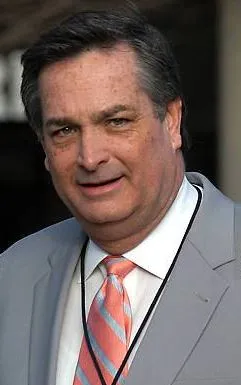
jim parkmen - criminal defense lawyer

Forty-five years in Jefferson County courts is not a credential you can manufacture. Jim Parkman has been defending drug cases in this city since before the current generation of prosecutors graduated high school. He’s argued bond hearings in Jefferson County District Court, filed suppression motions in Circuit Court, and defended federal drug trafficking cases in the Northern District of Alabama at the Hugo L. Black United States Courthouse downtown. When the Jefferson County District Attorney’s office evaluates a drug case with Jim Parkman on the other side, they know who they’re dealing with. The National Trial Lawyers has listed him in the Top 100. Martindale-Hubbell gave him their AV Preeminent rating, the highest peer rating available, verified by the judges and attorneys who have faced him across the courtroom for decades. He doesn’t hand your case to a junior associate after the intake call. He works it personally.

Types of Drug Charges in Alabama

Alabama’s drug laws cover a wide range of offenses, and the charge you face depends on the type of substance involved, how much of it was present, and what law enforcement claims you intended to do with it. Here’s what each charge actually means.

Drug Possession

Possession is the most common drug charge in Jefferson County. Whether it’s a misdemeanor or a felony depends on the substance and the amount.
Marijuana possession for personal use is a Class A misdemeanor, carrying up to one year in jail and a fine of up to $6,000. The moment the quantity suggests more than personal use, or if any prior convictions exist, prosecutors push for felony charges. Class D felony possession carries one to five years in prison. And if you’re accused of obtaining prescription drugs through fraud, such as forging a prescription or using another person’s identity to get medications, that bumps the charge significantly.
The key thing about possession charges: the prosecution has to prove you knowingly possessed the substance and had control over it. In cases involving shared spaces, vehicles, or residences, that’s often more contested than it looks.

Drug Distribution

Distributing controlled substances, which Alabama law defines as selling, delivering, distributing, or even giving drugs away, is a Class B felony. That means two to 20 years in prison and substantial fines.
You don’t have to be caught in an actual sale. Prosecutors charge distribution based on the quantity found in your possession. The theory is that quantities above personal-use thresholds indicate intent to distribute. For cocaine, more than eight grams can trigger distribution charges. For fentanyl, the threshold is as low as half a gram. These are real numbers that determine whether you’re looking at possession charges or a felony distribution case with years of prison time attached.

Drug Trafficking

Trafficking is the most serious drug charge at the state level, and it carries mandatory minimum sentences that leave judges with very little room to show leniency. The specific mandatory minimums depend on the substance and quantity, but they start at three years for threshold amounts and climb sharply from there. Large quantities can result in mandatory life sentences.
Alabama law defines drug trafficking broadly. It includes the intentional sale, delivery, manufacture, or transportation of controlled substances above specified weight thresholds. You don’t need to be a dealer to face a trafficking charge. A large personal-use supply or sharing drugs with multiple people can be enough for prosecutors to file trafficking rather than possession.

Methamphetamine Charges

Meth cases in Alabama are treated with particular severity. Manufacturing meth is a Class A felony under Alabama Code 13A-6-242, carrying 10 years to 99 years or life in prison.
Trafficking meth above threshold weights triggers mandatory minimums that escalate sharply with quantity. The DEA and Alabama task forces prioritize meth cases, which means federal charges are often filed alongside or instead of state charges.

Drug Manufacturing and Cultivation

Producing illegal drugs, whether cooking meth in a lab, growing marijuana, or synthesizing other controlled substances, is a Class B felony that becomes Class A if the substance involved is methamphetamine or another highly dangerous drug. Manufacturing charges carry serious prison exposure and are aggressively prosecuted by both the Jefferson County DA’s office and the U.S. Attorney’s Office in Birmingham.

Federal Drug Charges

When drug offenses cross state lines, involve federal agencies, or reach certain weight thresholds, cases are prosecuted federally in the Northern District of Alabama. Federal drug charges come with mandatory minimums under the Federal Sentencing Guidelines, no parole, and prosecutors who are career specialists with the full resources of the DOJ behind them. Jim Parkman has been defending federal drug cases in Birmingham since the 1970s and is one of very few attorneys in Alabama with documented federal drug trial experience at this level.

Prescription Drug Fraud

Getting controlled substances through forged prescriptions, doctor shopping, or distributing prescription medications without authorization is a felony in Alabama. These cases often intersect with federal healthcare fraud investigations, particularly when large quantities of opioids, benzodiazepines, or stimulants are involved.

Drug Paraphernalia

A Class A misdemeanor in Alabama, punishable by up to one year in jail and a fine of up to $6,000. Paraphernalia charges are frequently added to possession or distribution cases to increase the pressure on defendants to accept plea deals. They’re often worth challenging, particularly when the items in question have legitimate uses.

Alabama Drug Penalties: What You're Actually Facing

Offense

Felony/Misdemeanor Class

Prison Sentence

Fines

Marijuana possession (personal use)

Class A Misdemeanor

Up to 1 year

Up to $6,000

Possession (non-personal use)

Class D Felony

1 to 5 years

Up to $7,500

Distribution

Class B Felony

2 to 20 years

Up to $30,000

Manufacturing (most substances)

Class B Felony

2 to 20 years

Up to $30,000

Manufacturing (meth)

Class A Felony

10 to 99 years or life

Up to $60,000

Trafficking (threshold amounts)

Class A Felony

Mandatory minimums from 3 years

Up to $1 million

Drug Paraphernalia

Class A Misdemeanor

Up to 1 year

Up to $6,000

Federal Drug Trafficking

Federal (varies)

Mandatory minimums (5 years to life)

Up to $10 million

These are base guidelines. Sentencing enhancements for prior convictions, school proximity, and other factors can increase these ranges significantly.

Alabama Drug Schedules: Why the Substance Matters

Alabama classifies controlled substances into five schedules based on their potential for abuse and accepted medical use. The schedule of the drug involved directly affects the severity of the charge.
Schedule I substances, including heroin, LSD, and certain opiates, carry the highest penalty exposure because they have no accepted medical use and high abuse potential. Schedule II includes cocaine, methamphetamine, and oxycodone. Schedules III through V involve progressively lower abuse potential and increasingly common medical uses.
Here’s why this matters practically: the same amount of a drug can produce a much more serious charge depending on where it falls in the schedule. A possession charge involving a Schedule I substance will be treated differently than the same charge for a Schedule V substance. Understanding where the drug in your case falls, and whether the government’s identification of that substance is accurate, is part of what experienced defense counsel evaluates from the very first review of the evidence.

How Jim Parkman Defends Drug Cases in Birmingham
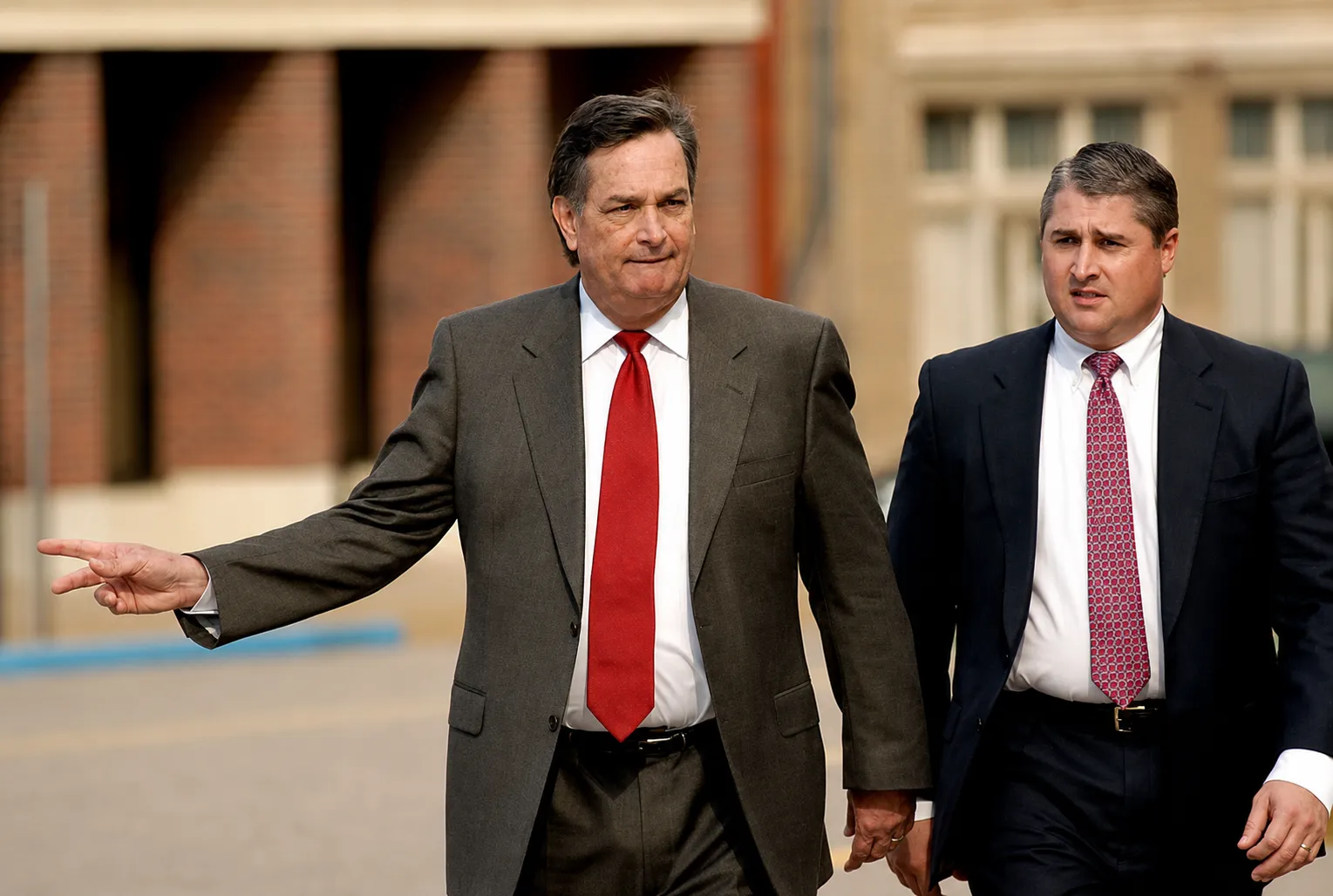
There’s no template for a drug defense strategy. Every case turns on its specific facts, how the stop or search happened, how the evidence was handled, what witnesses exist, and what the government can actually prove. What Jim Parkman does in every case is find the specific weaknesses in how the government built its case and attack them before they can be used against his client.
Criminal Defense Attorney Jim Parkman 2

Challenging the Stop and Search

The Fourth Amendment protects people from unreasonable searches and seizures. If law enforcement stopped a vehicle without reasonable suspicion, searched a home without a valid warrant, or conducted a search that exceeded the scope of the warrant they had, the evidence found during that search may be suppressed. Suppressed evidence can’t be used at trial. A drug case without its key evidence often falls apart entirely.
Jim Parkman files suppression motions when the facts support them, and in Jefferson County courts, he’s been doing it long enough to know exactly which factual patterns give those motions the best chance.

Attacking the Chain of Custody

From the moment drugs are seized to the day they’re presented as evidence at trial, the government has to document how that evidence was handled, stored, and tested. Breaks in the chain of custody, improper storage, contamination, or documentation errors can all make drug evidence unreliable. If the integrity of the physical evidence is questionable, so is the government’s case.

Disputing Possession

The prosecution has to prove you knew the drugs were present and that you had dominion and control over them. “Mere presence,” meaning being near drugs that belong to someone else, is not legally sufficient for a possession conviction. In cases involving shared vehicles, rental properties, or common areas, this is often the central issue. Jim Parkman builds the factual record around constructive possession questions from the earliest stages of each case.

Challenging Lab Results and Drug Identification

The government’s determination of what substance was found and how much of it there was can be challenged. Independent laboratory testing sometimes produces different results than the state’s analysis. Weight discrepancies can affect whether a trafficking charge holds up. Identification errors, while not common, do occur, and the defense has every right to scrutinize them.

Entrapment

When law enforcement induced someone to commit a drug offense they wouldn’t have otherwise committed, entrapment is a legitimate defense. These cases require careful factual analysis, but they’re real, and Jim Parkman evaluates entrapment arguments in every case where the government’s investigation involved undercover operations or confidential informants.

Attacking Confidential Informants

A significant number of drug cases in Jefferson County involve confidential informants with their own legal problems, motivations to lie, and inconsistent prior statements. These witnesses don’t get a pass on credibility simply because they’re testifying for the government. Thorough investigation of a CI’s background, prior deals with prosecutors, and inconsistencies between their accounts can devastate the prosecution’s narrative.

Constitutional Violations in Interrogation

Miranda violations, denial of the right to counsel, and coercive interrogation tactics can result in statements being excluded from evidence. If a confession or incriminating statement was obtained improperly, Jim Parkman moves to suppress it before it gets in front of a jury.

Birmingham and Jefferson County Drug Case Process

Most people charged with a drug offense in Birmingham have never been through the court system before. Here’s what the process actually looks like.
After a drug arrest in Jefferson County, you’ll be booked and a bond will be set, either at booking on a standard schedule or at a bond hearing before a judge. Getting experienced counsel involved before that bond hearing matters because the arguments made there set the tone for how the prosecution views the case.
For felony drug charges, the case moves from Jefferson County District Court, where a preliminary hearing determines whether probable cause exists to bind the case over, to Jefferson County Circuit Court for arraignment and all proceedings through trial. The discovery process gives Jim Parkman access to the police reports, body camera footage, lab reports, and witness statements that form the basis of the government’s case. Pre-trial motions can challenge evidence before it ever reaches a jury. And if the case goes to trial, it goes to a Jefferson County jury of 12, drawn from a pool of people who live in the same community as his clients.

For felony drug charges, the case moves from Jefferson County District Court, where a preliminary hearing determines whether probable cause exists to bind the case over, to Jefferson County Circuit Court for arraignment and all proceedings through trial. The discovery process gives Jim Parkman access to the police reports, body camera footage, lab reports, and witness statements that form the basis of the government’s case. Pre-trial motions can challenge evidence before it ever reaches a jury. And if the case goes to trial, it goes to a Jefferson County jury of 12, drawn from a pool of people who live in the same community as his clients.

For federal drug charges, the case is in the Northern District of Alabama from the start. Grand jury proceedings, federal bail hearings, federal discovery rules, and the Federal Sentencing Guidelines all apply. The timeline is typically longer and the resources on the government’s side are substantially greater. Early intervention, before charges are even filed, can sometimes change the outcome entirely.

Serving Birmingham and All of Jefferson County

Jim Parkman Law represents clients facing drug charges throughout the Birmingham metro area. That includes every city and community in Jefferson County: Birmingham, Hoover, Vestavia Hills, Mountain Brook, Homewood, Trussville, Bessemer, Gardendale, Fultondale, Center Point, Irondale, Fairfield, Hueytown, and all surrounding communities.
Cases originating in any of these areas come through Jefferson County Circuit Court or Jefferson County District Court for state charges, or the Northern District of Alabama for federal charges. Jim appears in all of them.

Frequently Asked Questions: Drug Charges in Birmingham, Alabama

Stop talking. Don't try to explain yourself to police and don't answer questions without an attorney present. You have a constitutional right to remain silent, and anything you say from the moment of arrest can be used against you. Ask for an attorney clearly and firmly, then call Jim Parkman as soon as you're able. The first 48 hours after a drug arrest in Jefferson County are the most important for your defense. Getting experienced counsel involved early changes what options are available to you.

Yes. Alabama doesn't have a blanket first-offender exception for drug crimes. A first-time felony possession conviction can carry one to five years in prison under the Class D felony guidelines. Distribution and trafficking charges carry even longer mandatory sentences with no judicial discretion to go below the minimum. Probation and diversion programs are sometimes available, but they're not guaranteed, and whether they're a realistic option depends heavily on the specific charge and the specific circumstances of the case.

Possession means having a controlled substance for personal use. Distribution means selling, delivering, or providing drugs to another person. The problem is that Alabama prosecutors don't need direct evidence of a transaction to charge distribution. If the quantity found suggests more than personal use, they charge distribution based on the amount alone. The weight thresholds vary by substance, but they're low enough that quantities most people would consider personal supply can trigger felony distribution charges.

Mandatory minimums are prison sentences set by the legislature that a judge must impose upon conviction, regardless of the circumstances. They apply primarily to trafficking charges in Alabama, with sentences starting at three years for threshold quantities and increasing sharply based on the amount involved. The largest trafficking quantities can result in mandatory life sentences. There's very little a judge can do once a trafficking conviction is entered, which is why fighting the charge before conviction is so critical.

State drug charges in Jefferson County are prosecuted by the Jefferson County District Attorney's Office and handled in Jefferson County Circuit Court. Federal drug charges are prosecuted by the U.S. Attorney's Office for the Northern District of Alabama and handled at the Hugo L. Black United States Courthouse in Birmingham. Federal cases typically involve larger quantities, interstate activity, or multi-agency investigations by the DEA, FBI, or task forces. Federal sentences are governed by the Federal Sentencing Guidelines, parole doesn't exist in the federal system, and defendants must serve at least 85% of their sentence.

Yes, and it happens more often than people expect when an experienced attorney identifies the right grounds. The most common basis for suppression is a Fourth Amendment violation. If law enforcement conducted an illegal traffic stop, searched a home without a valid warrant or proper consent, or exceeded the scope of an authorized search, the evidence recovered may be suppressed. A drug case without its primary physical evidence rarely survives to trial. Jim Parkman files suppression motions whenever the facts of the arrest and search give him a legal basis to do so.

Alabama defines drug trafficking as the intentional sale, delivery, manufacture, importation, or knowing possession of a controlled substance in excess of the threshold amounts set by statute. It's not just about selling. Possessing a large enough quantity triggers the trafficking charge automatically, regardless of what you actually intended to do with it. Trafficking is a Class A felony with mandatory minimum sentences. The specific mandatory minimum depends on the substance and the quantity involved.

Significantly. Beyond the criminal sentence itself, a drug conviction in Alabama can result in driver's license suspension, loss of professional licenses, ineligibility for federal student loans and financial aid, restrictions on housing assistance, loss of firearm rights for felony convictions, immigration consequences for non-citizens, and a permanent criminal record that shows up on background checks for employment, housing, and licensing applications for the rest of your life. These collateral consequences are often more practically damaging long-term than the sentence itself.

The government has to prove you knowingly possessed the drugs and had control over them. Being a passenger in a vehicle where drugs are found is not automatically possession. That said, prosecutors will use every available piece of circumstantial evidence to argue constructive possession, including where you were sitting, what else was in the car, and any statements made at the scene. These cases require immediate legal attention because the factual record established right after the arrest shapes the entire case.

Alabama's expungement law is more limited than many people realize. Charges that resulted in a not guilty verdict, a nolle prosequi, or certain types of dismissal are generally eligible for expungement under Alabama Code 15-27-1. Convictions for most drug offenses are much harder to expunge, though some limited exceptions exist. Jim Parkman evaluates expungement eligibility during the consultation and can advise whether the record you're dealing with qualifies and what the process looks like in Jefferson County.

Find Jim Parkman Law

Birmingham Office

850 Corporate Pkwy #100,
Birmingham, AL 35242

Available 24 hours a day, 7 days a week

Get a Free Consultation

Drug charges in Birmingham are serious. The penalties are real, the collateral consequences last for years, and the Jefferson County court system moves quickly once charges are filed.
Jim Parkman has 45 years of drug defense experience in this city. He knows the courts, he knows the law, and he knows how to fight cases that other attorneys treat as losses before the first hearing. Whether you’re facing a misdemeanor possession charge or a federal trafficking indictment, he handles it personally and fights for the best outcome available.
Call 205-573-6001 right now. Free consultation. No obligation. Completely confidential.

What Clients Say